
Heatwaves influence consumer decisions outside of finding the nearest AC unit or tracking down a local pool. Where consumers spend their money, when they shop, employee productivity, supply chains, and operating costs all change during periods of extreme heat.
In fact, ONS figures show that retail sales volumes increased by 1.2% in May and another 1.0% in June. However, not all businesses reap the benefits of the heat. For example, UK retail footfall fell by 8% between May and June.
So, which businesses have been enjoying a heatwave boost — and which have been feeling the pressure?
Industries Benefiting from the UK Heatwaves
1. Hospitality: Pubs, Bars and Outdoor Dining
Periods of prolonged sunshine encourage people to spend more time in pub gardens, beer gardens, rooftop bars, and restaurants with outdoor seating. In fact, spending at pubs was up by 10% in July due to the World Cup and warm weather. Consumers are searching for ways to cool off during the heat, while still enjoying the summer.
Businesses in these industries notice higher drink sales, increased outdoor dining, longer busy hours, higher demand in tourist locations, and an uptick in tourist spending. Establishments without outdoor accommodations may notice the opposite effect, with lower foot traffic and sales.
2. Retail and E-commerce
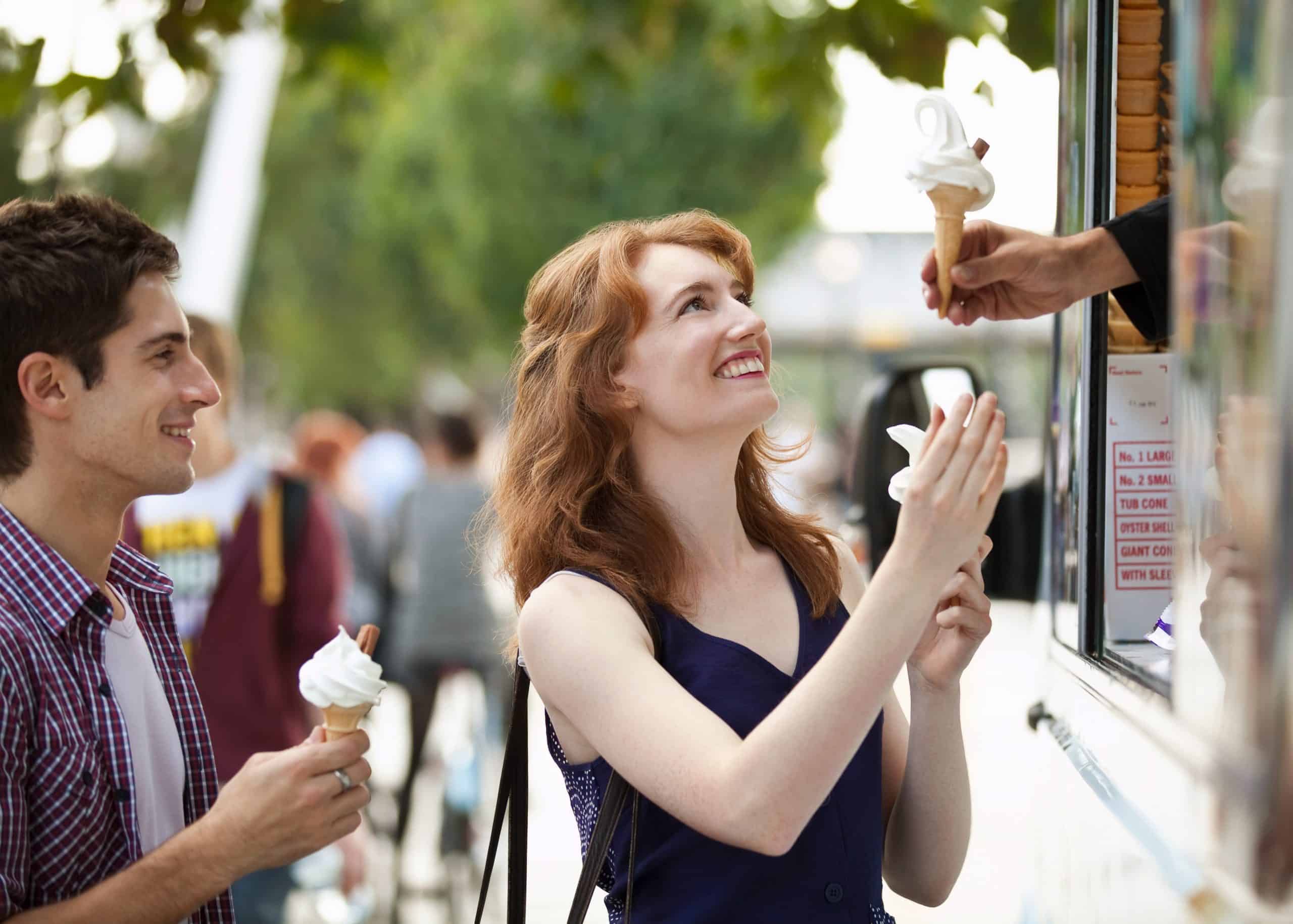
Hot weather can positively contribute to retail sales, including summer clothing, fans and portable air-conditioning units, garden furniture, BBQ equipment, paddling pools, cold drinks, sunscreen, and ice cream. According to ONS, non-store retailers attributed stronger sales during May and June, partly due to the warm weather.
However, footfall was lower during periods of extreme heat, meaning consumers resorted to online shopping over physically going to retailers. Online retailers that offer essentials are particularly well-positioned during extreme heat due to the convenience.
3. Tourism, Leisure and Attractions
Sitting inside in the AC all day isn’t ideal, especially for families with children. As a result, domestic leisure businesses see an increase in sales during heatwaves. Businesses, like seaside resorts, outdoor attractions, theme parks, campsites, and holiday parks, can all benefit.
Longer periods of sunshine can make UK-based days out and short breaks more appealing compared to long-distance travel. Businesses in the vicinity of these destinations, like restaurants and ice cream shops, can also take advantage of the rise in domestic tourism.
4. Seasonal Services
Despite what you might believe, certain outdoor seasonal services can take advantage of heatwaves. Air-conditioning installers, HVAC engineers, refrigeration companies, garden and pool maintenance businesses, and cold-storage companies can turn repeated heatwaves into higher sales.
While sudden demand can be great for long-term margins, it can also cause short-term financial disruptions. Businesses preparing for heatwaves may need additional stock, temporary workers, or added vehicles or equipment to meet consumer demand, making short-term business loans a great option.
You can apply for business funding in 30 seconds and explore your finance options.
Industries Struggling During the Heatwaves
1. Construction and Outdoor Trades
Businesses in the construction and outdoor trades sectors, like roofers, road workers, and landscapers, notice frequent disruptions from extreme temperatures. For one, physical work becomes harder, requiring additional breaks to maintain employee health and safety. This can result in project delays and tasks being moved to cooler parts of the day, which impact productivity.
While construction output doesn’t necessarily need to decrease because of the heat, there can be operational risks associated with high temperatures. Employee safety is of utmost importance, meaning schedule shifts and project delays may be inevitable.
2. Agriculture and Farming
Agriculture and farming businesses can see serious repercussions from heatwaves. Periods of extended dry conditions can lead to drought concerns, creating crop and livestock stress and reduced yields. To combat droughts and heatwaves, there are increased irrigation requirements and higher costs.
While a few sunny weeks won’t likely impact overall crop yields and livestock health, prolonged extreme heat and limited rainfall pose dangerous risks for agricultural and farming businesses. The latter end result could be substantial financial problems from increased costs and decreased yields..
3. High-Street Retail
High-street retail includes physical storefronts. Many e-commerce businesses benefit during heatwaves, but physical storefronts suffer due to lower foot traffic. Consumers don’t want to walk around and shop during extreme heat. Instead, they want to browse from the comfort of their air-conditioned rooms.
ONS data shows that UK retail footfall dropped by 8% month-on-month in June 2026, which includes a 9% decline in town and city centres, an 8% decline in retail parks, and a 7% decline in district and local centres. Street retail businesses that offer both physical and e-commerce shopping options may be able to minimize the impact of heatwaves.
4. Manufacturing, Warehousing and Logistics
Businesses operating from buildings, like manufacturing, warehousing, and logistics, aren’t designed to sustain extreme temperatures. Prolonged heat can cause a variety of problems, including reduced worker productivity, higher refrigeration and cooling costs, potential damage to temperature-sensitive stock, and greater electricity consumption.
Food businesses, in particular, frequently face refrigeration failures that can cause wasted stock and high repair costs. Similarly, businesses with older equipment and premises have increased risks of breakdowns, which can cause financial disruptions.
Can Seasonal Businesses Still Be Approved?
Despite what you might believe, seasonal businesses can still be approved for these business loans.
Businesses that are driven by events or tourism, like summer destination hot spots, or specific holidays, like Christmas retailers, can still take out a Merchant Cash Advance Loan. Instead of looking at current revenue or contracts, lenders may assess historical revenue trends or future bookings to gauge the entire picture of your expected revenue.
The Bigger Picture
Heatwaves can be beneficial for certain businesses and detrimental to others. Summer product retailers, hospitality businesses with outdoor amenities, and domestic tourism can all benefit, while the construction, agriculture, and manufacturing industries can notice unfavourable hiccups.
Despite the heat impacting certain businesses, overall GDP in the UK continues to grow during Q2 2026, with the latest figures showing a 0.4% increase.
While you might not notice a material effect on your business from a day or two of heat, prolonged heat can have positive, or negative, impacts on your operations and margins, making it important to stay ready financially for whatever the weather throws at you. Get in touch with Crispcap to learn more about your finance options.